'/%3E%3C/svg%3E) EN
 DE
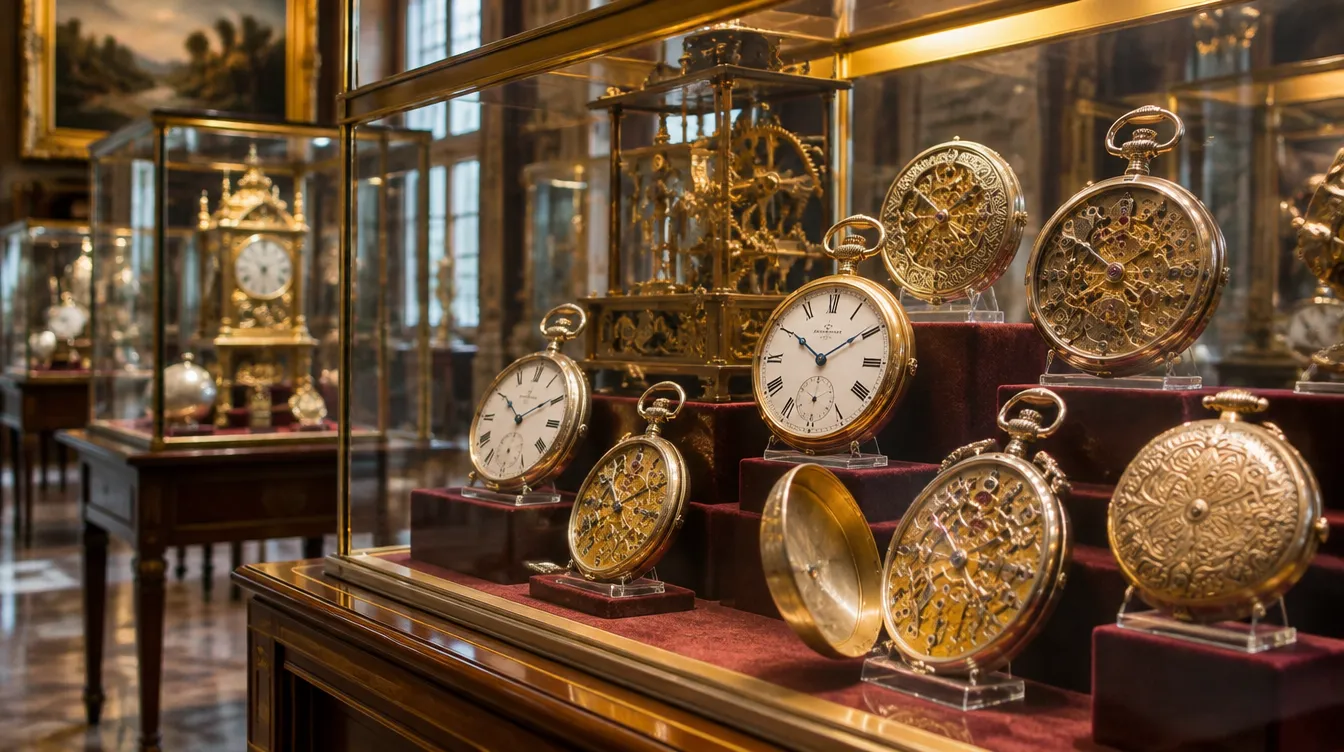
The Beyer Watch Museum (Uhrenmuseum Beyer) is Zürich’s museum of timekeeping, with more than 250 clocks and watches on show from an Egyptian water clock of around 1400 BC to the quartz wristwatch. For more than 50 years it sat in the basement of the Beyer shop at Bahnhofstrasse 31. That chapter is over: the museum closed at the end of October 2026 and is moving to the Mühle Tiefenbrunnen in Seefeld, where it expects to reopen in autumn 2027. Below is what that means for your visit, what the collection holds, where the new museum will be and where watch lovers can go in the meantime, all checked on the official website on 16 November 2026. For every museum that is open right now, see our list of the best museums in Zürich.
📍 New site: Seefeldstrasse 229, 8008 Zürich (Mühle Tiefenbrunnen) · 🕐 closed until autumn 2027 · 🎟️ last prices CHF 10, children under 12 free · official museum page
| Status now | Closed. The museum is packing its collection for the move. The last opening day at Bahnhofstrasse 31 was 30 October 2026 |
|---|---|
| Reopening | Expected in autumn 2027; no exact date yet. You can register on the museum’s website to be told when the date is set |
| New address | Kulturareal Mühle Tiefenbrunnen, Seefeldstrasse 229, 8008 Zürich (Seefeld, Kreis 8), next to the Mühlerama |
| Getting there (new site) | S6 or S16 to Zürich Tiefenbrunnen, then about three minutes on foot; tram 4 also ends at Bahnhof Tiefenbrunnen |
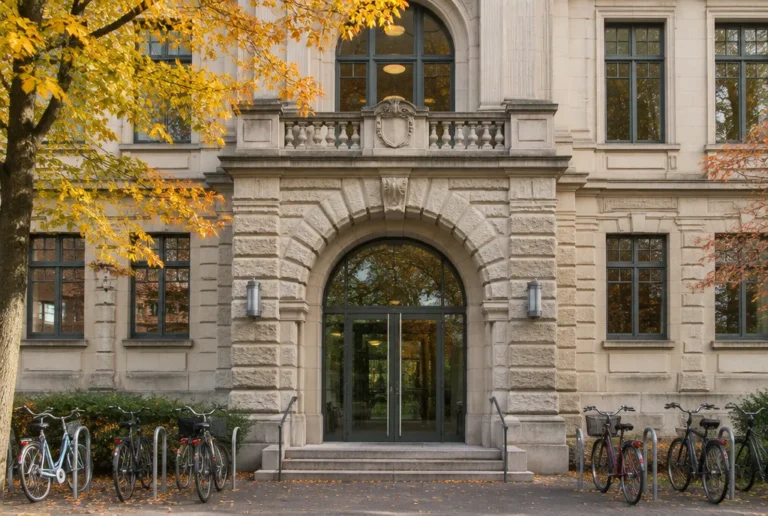
| Old address | Bahnhofstrasse 31, 8001 Zürich, in the basement of the Beyer shop. Nothing to see there now |
| Last opening hours | Monday to Friday 14:00–18:00, closed at weekends (until 30 October 2026). New hours for 2027 are not published |
| Last prices | Adults CHF 10, AHV/IV and unemployed CHF 7, students and pupils CHF 5, children under 12 with an adult free. Free with the Zürich Card. New prices for 2027 are not published |
| Christmas 2026 | Closed. The Beyer shop at Bahnhofstrasse 31 stays open until the end of 2026 (Mon–Fri 10:00–18:30, Sat 10:00–16:00), but the museum downstairs does not |
Is the Beyer Watch Museum open?
No. The Beyer Watch Museum is closed until further notice, and the museum itself says it will stay shut until it reopens at its new site, expected in autumn 2027. The pieces are being packed by specialists and prepared for the move. Many travel guides, booking sites and map apps still show the old address on Bahnhofstrasse with weekday afternoon hours, so do not plan a visit around them.
The reason is a big change on Bahnhofstrasse. In spring 2026 the Beyer family announced that the watch and jewellery shop, the oldest watch retailer in the world still run by its founding family, will close at the end of 2026. Patek Philippe is taking over the building at Bahnhofstrasse 31 and turning it into a large flagship salon (SRF report). The museum was not part of the sale. It stays with the family, which looked for a new home in the city and found one in Seefeld. Our Bahnhofstrasse guide covers the street and its other watch houses.
The new museum at the Mühle Tiefenbrunnen
📍 Seefeldstrasse 229, 8008 Zürich · 🚆 S6/S16 Zürich Tiefenbrunnen · moving notice
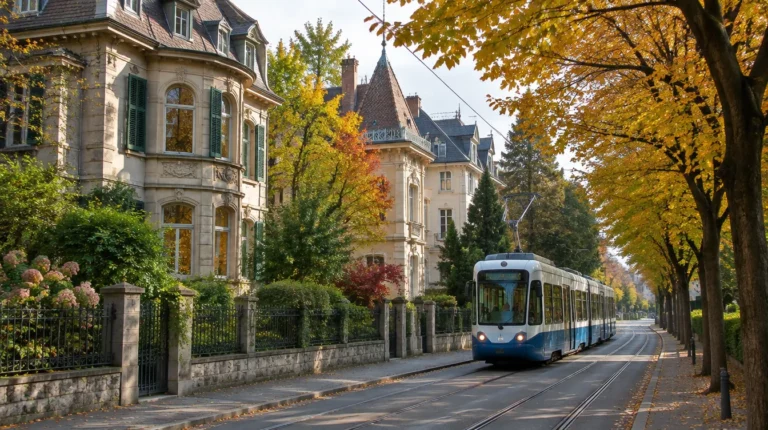
The new home is the Kulturareal Mühle Tiefenbrunnen, the red-brick industrial complex by the lake in Seefeld that already houses the Mühlerama mill museum. Moving out of a shop basement and into its own space should give the collection more room and its own entrance, although the museum has not yet published plans, hours or prices.
For visitors the location is easy: the station Zürich Tiefenbrunnen is a few minutes’ walk away, the lakeside promenade and the swimming area at Tiefenbrunnen are right there, and the Seefeld quarter has plenty of cafés. From autumn 2027 you will be able to combine two museums under one roof, grinding flour in the Mühlerama in the morning and looking at Renaissance clocks in the afternoon.
What is in the Beyer collection
The collection was built up by Theodor Beyer, who opened the museum in 1971. Today it holds more than 1,000 clocks, watches and timekeeping instruments, of which more than 250 were on permanent display in six niches and many glass cases at Bahnhofstrasse. Every year about ten to a dozen new pieces are added, often with a link to the family’s own history.
The museum tells the whole story of measuring time in one walk. It starts with the timekeepers that came before mechanics: shadow sticks, sundials, sand glasses and water, oil and fire clocks. Then come the first iron tower and wall clocks of the Gothic period, Renaissance table clocks with planetaria, enamelled and jewelled pocket watches, automata and curiosities, record-breaking small watches, porcelain clocks, marine chronometers and complicated wristwatches. In the last years visitors could read about each piece in six languages on iPads.
Alongside the permanent show the museum ran small special exhibitions. The last one, “Great Art on Small Watches”, about miniature painting on enamel from the 17th to the 20th century, ran from 15 June to 5 September 2026 (past special exhibitions).
Ten highlights to look out for
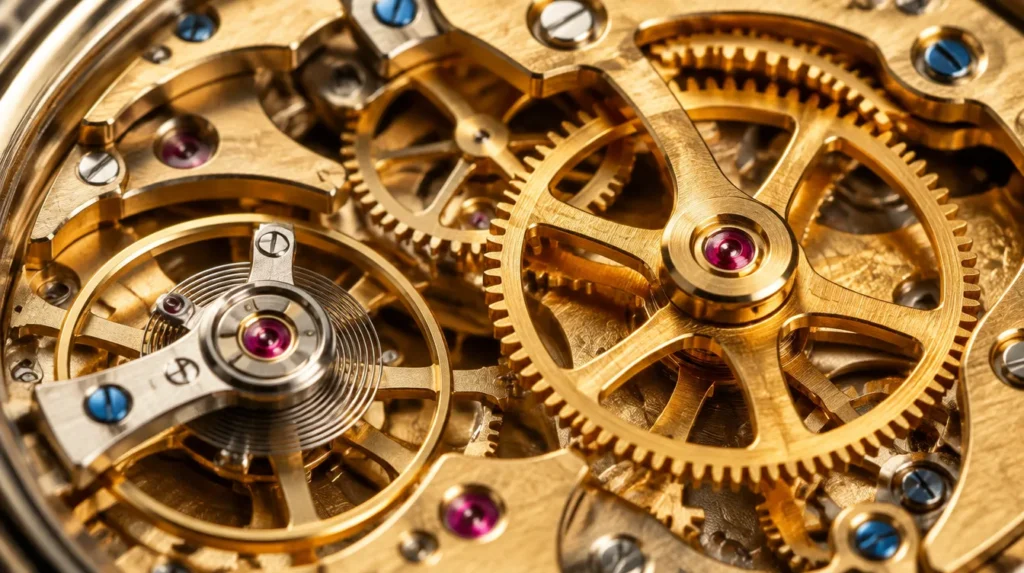
We cannot yet say how the new rooms will be laid out, but these pieces are the ones the collection is known for. Many are so important that major museums borrow them.
1. The Egyptian water clock
The oldest object in the house, from around 1400 BC: a vessel that measured time by water running out of a small hole. It is where the timeline begins.
2. Sundials, sand glasses, oil and fire clocks
A whole group of pre-mechanical timekeepers, from pocket sundials to lamps whose falling oil level showed the hours at night.
3. The Swiss tower clock of 1522
A heavy iron movement from a church or town tower, a reminder that for centuries most people knew the time only from the tower in the village.
4. The lion automaton clock
A clock from around 1640 crowned by a lion automaton, one of the early mechanical figures that delighted the courts of Europe.
5. Breguet’s pendule sympathique
Made in Paris around 1795 by Abraham-Louis Breguet: a table clock that set and wound the pocket watch placed in a cradle on top of it overnight.
6. A marine chronometer by Ferdinand Berthoud
Precise ship’s clocks allowed sailors to work out their longitude at sea. The collection has many of them, with Berthoud’s among the finest.
7. The astrarium of Giovanni de Dondi
One of the few reproductions of the astronomical clock that de Dondi built in Padua in the 14th century, showing the movement of the sun, the moon and the planets.
8. Geneva enamel pocket watches
Painted enamel cases with portraits, landscapes and scenes from mythology, a speciality of Geneva and the theme of the last special exhibition.
9. Watches by George Daniels
Handmade pieces from the late 20th century by the English watchmaker who invented the co-axial escapement, a favourite of serious collectors.
10. Zürich clocks and railway clocks
A small display of clocks by Zürich makers such as Bachoffner, Liechti and Ochsner, and a large group of railway clocks, including an official SBB station clock from 1910.
The museum’s permanent exhibition page describes the collection in more detail and links to a virtual tour, which is the only way to see it until the reopening.
Beyer: 265 years of watches
Beyer is one of the oldest watch businesses in the world. Matthäus Beyer founded it in 1760 in Donaueschingen in southern Germany. In 1822 the family moved to Feuerthalen near Schaffhausen, in 1860 it opened a shop in Zürich’s Niederdorf, and in 1877 it moved to the young Bahnhofstrasse. Since 1927 the shop has been at number 31. In 1985 Beyer gave the city the flower clock at Bürkliplatz, by the lake at the end of Bahnhofstrasse.
René Beyer led the business from 1996 as the eighth generation. After his death in April 2025 his sister Muriel Zahn-Beyer took over. With no successor in the family, the shop goes to Patek Philippe at the end of 2026, while the museum carries on as a family institution in Seefeld.
Planning a visit in 2027
- Register for the opening date: the museum has a registration form on its museum page and will send news when the date is fixed.
- Book a group tour early: groups, clubs and school classes can already ask for a guided tour after the reopening through the museum’s contact form. Tours outside the normal hours cost extra, and a wine reception can be added.
- Zürich Card: the museum was free with the Zürich Card and the museum says it still is; check again once it reopens.
- Allow about an hour: the old museum was compact. Watch fans easily spent two hours, everyone else about 45 to 60 minutes.
- Prices and hours: until the museum publishes new ones, treat the old figures (CHF 10, weekday afternoons) as a rough guide only.
Clock sights in Zürich you can see now
While the museum is closed, a short walk through the city still shows you plenty of clocks, for free.
- St. Peter church: the four faces on the tower are 8.64 metres across, the largest church clock faces in Europe. Read more in our St. Peter Zürich guide or on the parish website.
- The flower clock at Bürkliplatz: Beyer’s gift to the city from 1985, at the lake end of Bahnhofstrasse. In winter it has no flowers but still tells the time.
- Bahnhofstrasse: the boutiques of the big Swiss watch houses line the street between Paradeplatz and the lake, and the windows are a free exhibition in themselves.
- Zürich HB: the station clocks are the classic SBB design with the red second hand that pauses at the top of each minute.
Combine the walk with the Old Town and the Fraumünster, which sits just behind Bürkliplatz.
Watch museums you can visit now
If you came for watches, these museums are open this winter and are easy day trips by train. Check our day trips from Zürich for more ideas.
- Uhrenmuseum Winterthur: about 20 minutes by train, in the same building as the Gewerbemuseum at Kirchplatz 14. It shows the Konrad Kellenberger collection of clocks and the Oscar Schwank pocket watches. Open Tuesday to Sunday 10:00–17:00, Thursday until 20:00, closed on Monday; the regular CHF 12 ticket (reduced CHF 8) includes the clock museum (Gewerbemuseum). Pair it with the Technorama.
- IWC Museum, Schaffhausen: the watch brand’s own museum, a 10-minute walk from Schaffhausen station, open Tuesday to Friday 9:00–17:30 and Saturday 9:00–15:30, with online registration (IWC Museum). Our Schaffhausen day trip and Rhine Falls pages help you plan the rest of the day.
- Patek Philippe Museum, Geneva: one of the great watch collections of the world, at Rue des Vieux-Grenadiers 7. Open Tuesday to Friday and Sunday 14:00–18:00, Saturday 10:00–18:00; closed on 25 December and from 29 December 2026 to 4 January 2027. Adults pay about CHF 10, under 18s go free (plan your visit). See our Geneva day trip.
- Musée international d’horlogerie, La Chaux-de-Fonds: the big national watch museum in the Jura watchmaking town, part of a UNESCO World Heritage site. It is a long day from Zürich (roughly two to two and a half hours by train), so check hours and prices on its website before you go.
Tips
- Ignore the old listings: any page that still sends you to Bahnhofstrasse 31 for the museum is out of date.
- Rainy-day plans now: our rainy day in Zürich guide and the Landesmuseum are good indoor swaps.
- Visiting at Christmas: the museum is closed, but the lights on Bahnhofstrasse and the markets are on. See Christmas in Zürich.
- With children: the old museum suited school-age children who like machines more than toddlers. Next door, the Mühlerama is the better pick for younger ones, and the Toy Museum Zürich is another family option.
Beyer Watch Museum: FAQ
Is the Beyer Watch Museum closed?
Yes. It closed at Bahnhofstrasse 31 at the end of October 2026 and expects to reopen in autumn 2027 at Seefeldstrasse 229 in Zürich.
Where will the Beyer Watch Museum be?
In the Kulturareal Mühle Tiefenbrunnen, Seefeldstrasse 229, 8008 Zürich, next to the Mühlerama and close to the station Zürich Tiefenbrunnen.
How much did the Beyer Watch Museum cost?
Before the move adults paid CHF 10, reduced CHF 7, students CHF 5, and children under 12 with an adult went free. Entry was free with the Zürich Card. New prices have not been announced.
Is the Beyer shop on Bahnhofstrasse closing?
Yes. The Beyer watch and jewellery shop closes at the end of 2026, and Patek Philippe takes over the building. The museum is not part of the sale and stays with the Beyer family.
Can I see the collection online?
Yes, the museum’s website links to a virtual tour of the collection, which is the best way to see it until the reopening.
Keep exploring
- Best museums in Zürich
- Mühlerama mill museum
- Culture in Zürich: theatres, halls and stages
- Bahnhofstrasse Zürich
- Seefeld Zürich
- St. Peter Zürich
- Things to do in Zürich
- Free and cheap things to do in Zürich
📬 The ZurichGuru newsletter
Once a week: the best events, new places and what is changing in Zürich. Free, unsubscribe any time.